
In the modern culinary world, there is a persistent battle between convenience and conscience. We stand in the supermarket aisle, shivering slightly from the cold air of the freezer section, holding a bag of frozen chicken breast or a pack of premium frozen cuts. A voice in the back of our heads—perhaps the voice of a traditional grandmother or a food blogger—whispers that “fresh is always best.” We are conditioned to believe that freezing food is a compromise, a trade-off where we gain convenience but lose nutrition. However, for those seeking the highest quality protein, such as probiotic chicken, it is crucial to separate old wives’ tales from modern food science.
The stigma surrounding frozen or processed poultry often stems from a misunderstanding of how food preservation works. Is that bag of frozen chicken really a “dead” food devoid of vitamins? Does the ice steal the flavor? Or is it possible that the frozen fillet in your hand is actually fresher than the “fresh” cut sitting on the butcher’s counter? To make informed decisions for our health and our families, we need to debunk the myths and look at the cold, hard facts of cryopreservation.
The Origin of the Stigma
To understand why we fear the freezer, we have to look at history. Decades ago, freezing technology was slow and inefficient. Home freezers and early industrial units froze meat slowly. This slow process allowed large, jagged ice crystals to form, which punctured the cell walls of the meat. When the meat was thawed, all the natural juices (and flavor) leaked out, leaving a dry, tasteless sponge.
Furthermore, “processed chicken” became synonymous with “junk food”—heavily breaded nuggets loaded with preservatives and sodium. However, the definition of processed simply means the food has been altered from its original state, which includes freezing. Today, with advanced technology and high-quality raw materials, the narrative has completely changed.
Myth #1: Freezing Kills Nutrients
This is the most pervasive myth of all. Many consumers believe that sub-zero temperatures somehow destroy the protein, vitamins, and minerals in chicken.
The Fact: Freezing is nature’s “pause button.” It does not destroy nutrients; it preserves them. According to the United States Department of Agriculture (USDA) and numerous food science studies, the macronutrients in poultry—protein and healthy fats—are completely unaffected by freezing. A 100-gram serving of probiotic chicken breast has the exact same amount of muscle-building protein whether it is fresh or frozen.
What about micronutrients? Minerals like zinc, iron, and magnesium are chemical elements that are impervious to cold. They remain locked in the meat. Vitamins are slightly more sensitive, but the loss is negligible. In fact, because freezing stops the oxidation process (which degrades vitamins when meat sits out in the air), frozen chicken often retains more B-complex vitamins than “fresh” chicken that has been sitting in a display case for several days. The cold temperature slows down the enzyme activity that causes spoilage and nutrient breakdown to a near halt.
Myth #2: “Fresh” Chicken is Always Fresher Than Frozen
We tend to associate the word “fresh” with “just harvested.” However, in the complex logistics of the modern food supply chain, this is rarely the case.
The Fact: The “fresh” chicken you see in the supermarket display chilling at 4°C may have been slaughtered a week ago. It took time to process, time to transport to a distribution center, time to truck to the store, and time to sit on the shelf waiting for you to buy it. During all this time, even under refrigeration, the quality is slowly deteriorating. The texture is softening, and the flavor is fading due to enzymatic activity.
In contrast, high-quality frozen chicken is often flash-frozen immediately after processing—sometimes within hours of harvest. This locks in the freshness at its absolute peak. Ideally, freezing is like taking a snapshot of the chicken at its prime moment of perfection and keeping it suspended in time until you are ready to cook it. This metaphor perfectly captures the utility of the freezer; it is a time capsule for freshness, not a graveyard for old meat.
Myth #3: Freezing Ruins the Texture
As mentioned earlier, this myth is rooted in the history of slow freezing. People assume frozen meat will be mushy or dry.
The Fact: The culprit here is the method of freezing, not freezing itself. Modern premium poultry producers use a technology called IQF (Individually Quick Frozen) or blast freezing. This method uses ultra-low temperatures and high-velocity air to freeze the chicken in minutes, not hours.
Because the freeze happens so fast, the water molecules inside the chicken cells turn into microscopic ice crystals rather than large jagged ones. These tiny crystals do not damage the cell walls. When you thaw the chicken properly, the cell structure remains intact, holding onto its natural juices. The result is meat that is just as juicy and tender as the day it was cut. If your frozen chicken tastes dry, it is likely due to improper thawing or overcooking, not the freezing process itself.
The Critical Role of the Raw Material
While freezing preserves quality, it cannot create quality. This is where the source of the bird becomes paramount. If a manufacturer freezes a low-quality, stressed, antibiotic-laden chicken, it will still be a low-quality chicken when it thaws. Freezing halts decomposition; it does not perform miracles.
This is why health-conscious consumers are turning to probiotic chicken. Probiotic chickens are raised with a focus on gut health, using natural beneficial bacteria instead of antibiotics. This results in a bird that is healthier, has a better immune system, and consequently, produces meat with a superior texture and cleaner flavor profile.
When you freeze probiotic chicken, you are preserving a superior product. The denser meat structure and healthy fat profile of a probiotic bird stand up even better to the freezing process than a waterlogged, conventionally raised broiler. The lack of antibiotic residue is also preserved, ensuring that the “clean meat” you bought is the “clean meat” you eat.
Myth #4: All Frozen Chicken contains Preservatives
Consumers often confuse “frozen raw chicken” with “frozen ready-to-eat meals.” They assume that to keep meat safe in the freezer for months, manufacturers must add chemicals.
The Fact: Cold is the only preservative needed. At -18°C, bacteria cannot grow. There is no biological need to add sodium, nitrates, or artificial preservatives to raw frozen chicken.
However, you must read the label. Some lower-quality brands inject their chicken with a saline solution (saltwater) to plump it up and add weight. This is often labeled as “enhanced” or “contains up to 15% chicken broth.” This is not a safety requirement; it is a cost-cutting measure. High-quality frozen chicken, specifically premium probiotic brands, will usually list only one ingredient on the label: Chicken.
The Consumer’s Responsibility: Thawing Matters
Even the best probiotic chicken, flash-frozen at the peak of freshness, can be ruined by the consumer in the final mile. The myth that frozen meat tastes bad is often a result of user error during the thawing process.
There are three safe ways to thaw chicken to preserve its nutrients and texture:
- The Refrigerator Method (Best): Move the frozen chicken from the freezer to the fridge 24 hours before you plan to cook it. This slow, gentle thaw keeps the muscle fibers relaxed and prevents moisture loss.
- The Cold Water Method (Faster): Submerge the sealed bag of chicken in a bowl of cold water (never hot!). Change the water every 30 minutes. This is faster but requires more attention.
- The Microwave (Emergency Only): This is the least desirable method as it often starts cooking the edges of the meat while the center is still frozen, leading to a rubbery texture.
Never thaw chicken on the kitchen counter at room temperature. This allows the outer layer of the meat to enter the “danger zone” (where bacteria multiply) while the inside is still frozen, creating a health risk.
Conclusion: Embrace the Chill
The freezer is not the enemy of nutrition; it is the guardian of it. The idea that we must eat “fresh” meat that has been sitting in a supply chain for days to get the best nutrition is a misconception that ignores the realities of modern logistics and food science.
Freezing is a natural, chemical-free way to extend shelf life and reduce food waste. It allows us to access high-quality protein anytime we need it without worrying about it going bad in the fridge. The key takeaway is that the freezing process is only a vessel. The treasure is what you put inside it.
If you start with a superior raw material—a chicken that has been raised ethically, fed natural probiotics, and kept free from antibiotics—and use modern freezing technology, the result is a product that rivals, and often exceeds, the quality of “fresh” supermarket poultry.
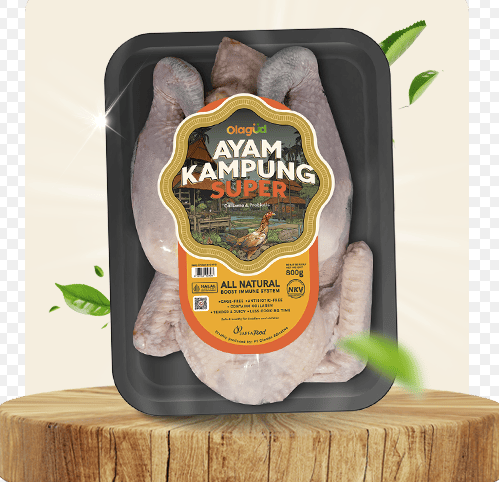
For those who refuse to compromise on health and want the convenience of a stocked freezer without the guilt, the choice is clear. Olagud brings you the best of both worlds: premium probiotic chicken that is meticulously raised for health and processed to lock in every gram of nutrition. Don’t let myths dictate your diet. Fill your freezer with the confidence of safety, quality, and superior taste. Choose Olagud probiotic chicken today and experience the fresh taste of advanced food technology.
